Jewelry Art Education
Full production of an online academy of jewelry art.
About the project
The goal of Jewelry Art Education is to create the conditions for learning, and a community of jewelers, regardless of where they live.
The task:
To build the project's entire infrastructure from scratch.
What was done:
Idea, analysis, plan
- Analysis of the market, competitors and target audience
- Drawing up the course programme
- Launch plan
Visual packaging
- Building the website on Tilda
- Design of the presentation and of all visual elements of the project
Technical packaging
- Creating and designing the student account
- Connecting mailings and payment systems
- Building the community on Telegram
Promotion
- Free and paid (targeted ads) ways of promotion
- Filming and editing the lessons
Sales, automation
- Selling the course
- Running the course
- Automating the processes

How to ruin the first launch and then fix everything?
Backstory
A good business should solve a customer's problem. Be a pill, a painkiller.
The idea came, strangely enough, during my master's studies)
One day, over a cup of coffee (how could people in Lviv do without coffee?), I was discussing the department's problems with an associate professor.
I studied at the metal department.
Today this department is popular with girls.
Why?
Because they want to be jewelers.
But there is one problem.
At the Lviv academy of arts it is a department of METAL, not of jewelry art. That is, they deal with forged metal, three-dimensional sculpture in metal, chasing, and a little jewelry art with enamel. A little means 3 semesters. As a result, students have to learn a lot on their own or in other ways.
The associate professor teaches only 2 semesters out of 5.5 years of a student's studies, and cannot pass on all his considerable experience within such limits of time and programme.
He is thinking of writing a book.
I objected that from a book I only understood what I had already tried with my own hands, and that it is hard to master new techniques from a text. An online course would be better, with clear video lessons showing what to do, where and how. Stanislav Frantsovych agreed with this idea, but the online world is far from him.
So we talked about it and forgot.
Later I learned about producing online courses.
A producer / project manager of online courses, to explain it the old-fashioned way, is the director of a distance learning programme online.
Their task is to organize the learning process, bring teachers together, recruit students, create the technical conditions.
Online, the job also includes advertising the course and selling it.
And I thought: “Why not give a pill both to the students who want to learn jewelry making and to the associate professor, who may well never write that book?”
That pill is jewelryart.education



About the teacher
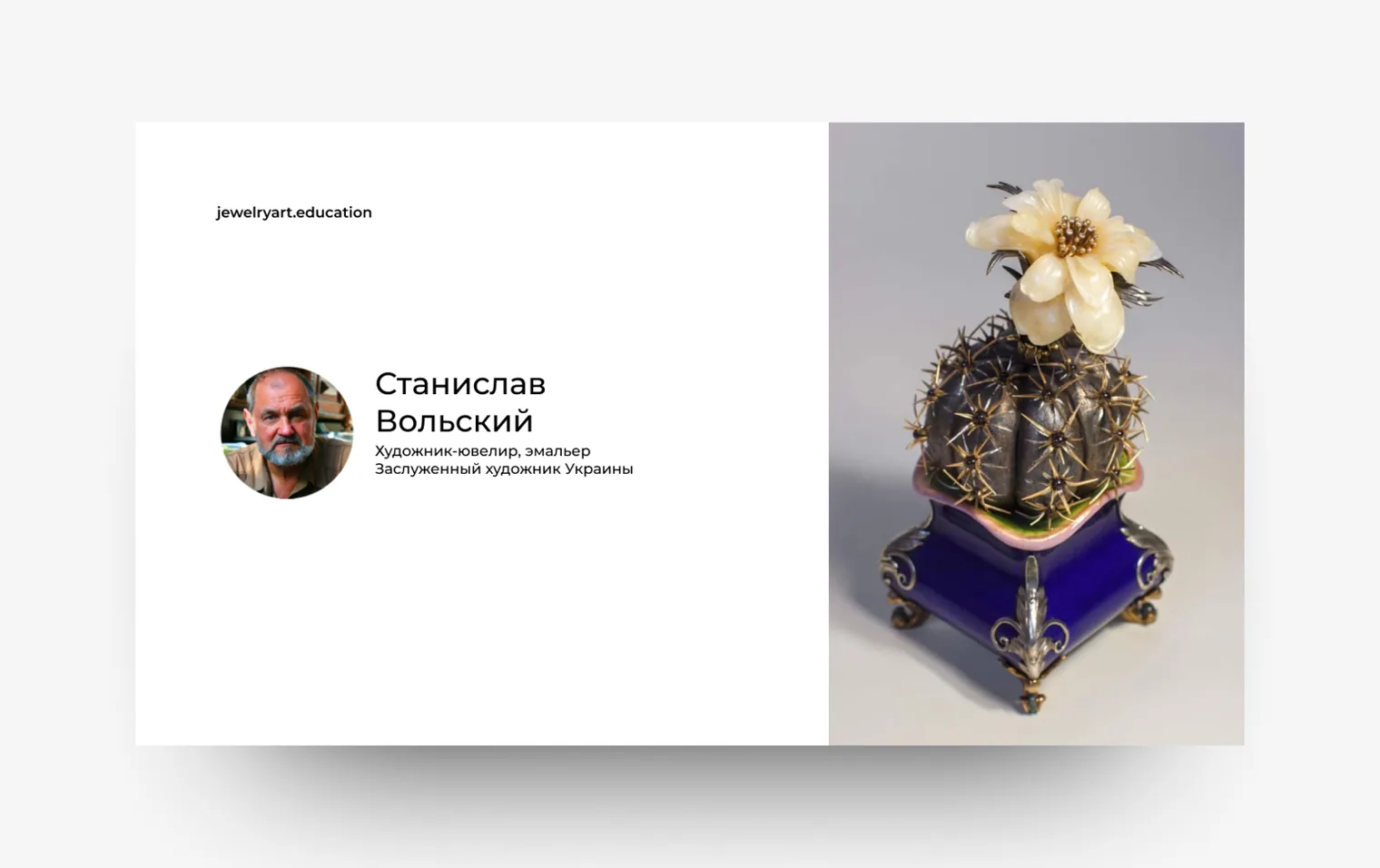
Stanislav Volskyi — Ukrainian jewelry artist, enamelist and gemstone carver.
Honored Artist of Ukraine.
Member of the National Union of Artists of Ukraine.
Associate professor at the Lviv National Academy of Arts, in the department of artistic metal.
The press calls him the Lviv Fabergé.
He is known for his three-dimensional jewelry pieces from the “Cactus” series.
You can read more about the biography of Stanislav Volskyi on Wikipedia:
How it all happened
I made a table and started looking for competitors in the niche of online jewelry-making education. As of 2019, the Russian-speaking market had no courses on making jewelry by hand yet, but there were already courses on 3D modelling and 2D sketches of jewelry.
On the English-speaking market there were already online courses on making jewelry by hand.
After analyzing their websites, social networks, number of participants and programmes, I came to the conclusion that the market is not very big, but that we can take the niche that is still empty on our market.
My pitch in English at the Big Idea Challenge competition
The award ceremony for winning the Creative category.
Once we agreed to make the course, we signed an Expert-Producer contract.
Then, together with Stanislav Volskyi, we thought through the product line, estimated what types of people would be our customers, worked out the positioning and the format of the product, wrote the programme of the future flagship course and set an approximate price.
Here is what the brainstorming produced.
Product line:
Lead magnet — a free presentation video lesson.
Main product — the online course “Jeweler Profession: Beginner”
Positioning:
a free masterclass
How a beginner can master the profession of “jewelry artist” and start earning from creative work from $ 500/month.
Offer:
A practical online course
“Jeweler Profession: Beginner”
How to learn the basics of metalworking
and make your first 6 pieces of jewelry
Naming:
Jewelry Art Education — Stanislav Volskyi's online academy of jewelry art
Format:
A practical online course with step-by-step video instructions
You can see the programme and the prices on the website.
I also wrote the text for the website, answering these questions:
- Why it is relevant / The problems
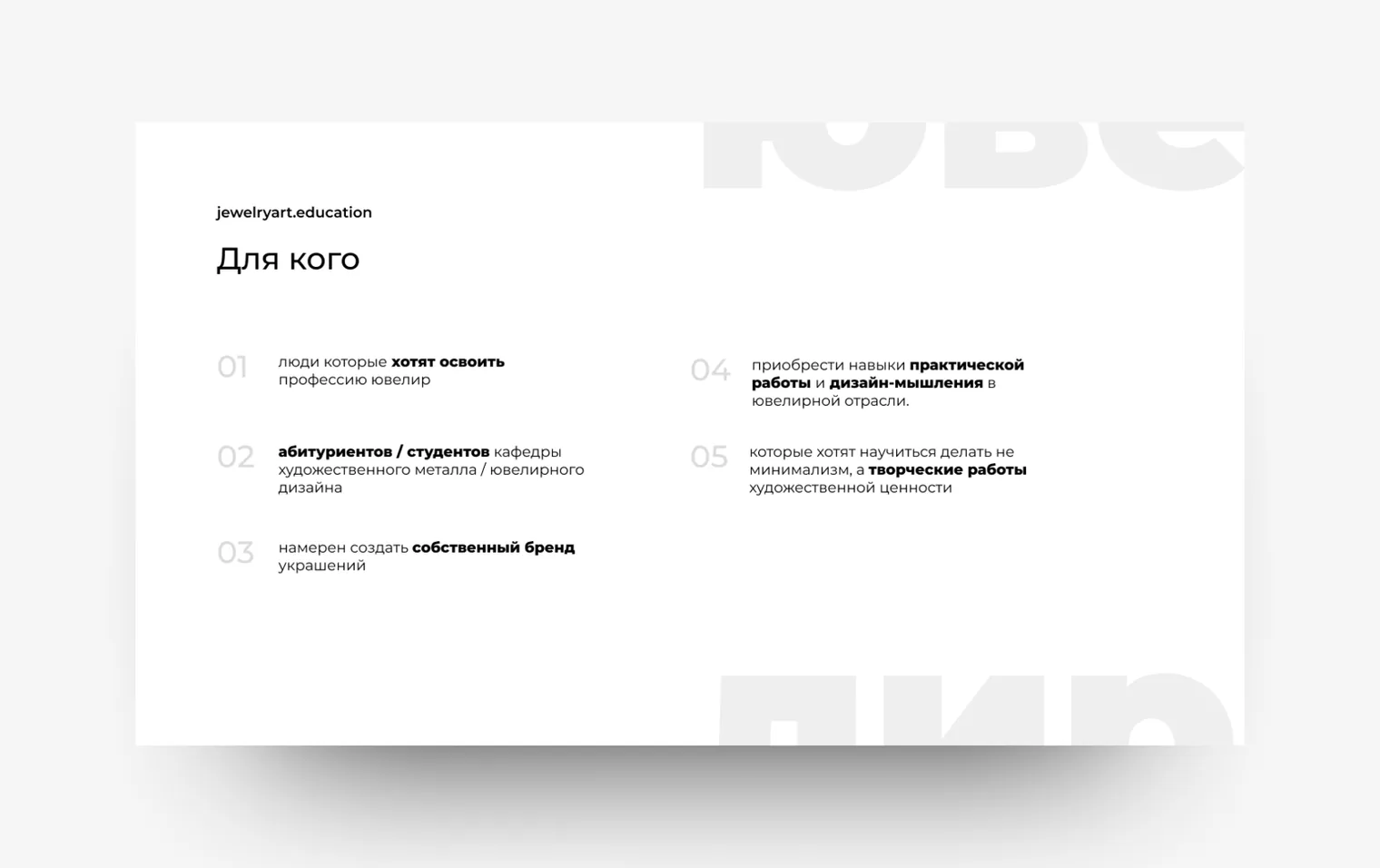
- Who is the course for?
- What sets us apart
- Who is the author of the course, his titles and works
- The works of Stanislav Volskyi's students
- Answers to frequently asked questions
The next stage was creating the lead magnet
To find out what a “lead magnet” is, hover over the little circle
What does this give us?
To hand this magnet to the lead, we usually ask for their contact details, which lets us build a subscriber base.
And with the base, we can then keep working, “warm it up” and turn it into buyers.
In our case, the free lead magnet was a free masterclass
How a beginner can master the profession of “jewelry artist” and start earning from creative work from $ 500/month.
To make it, we needed to prepare a selling presentation.
Together with the author of the course we wrote the content, and I designed this presentation.
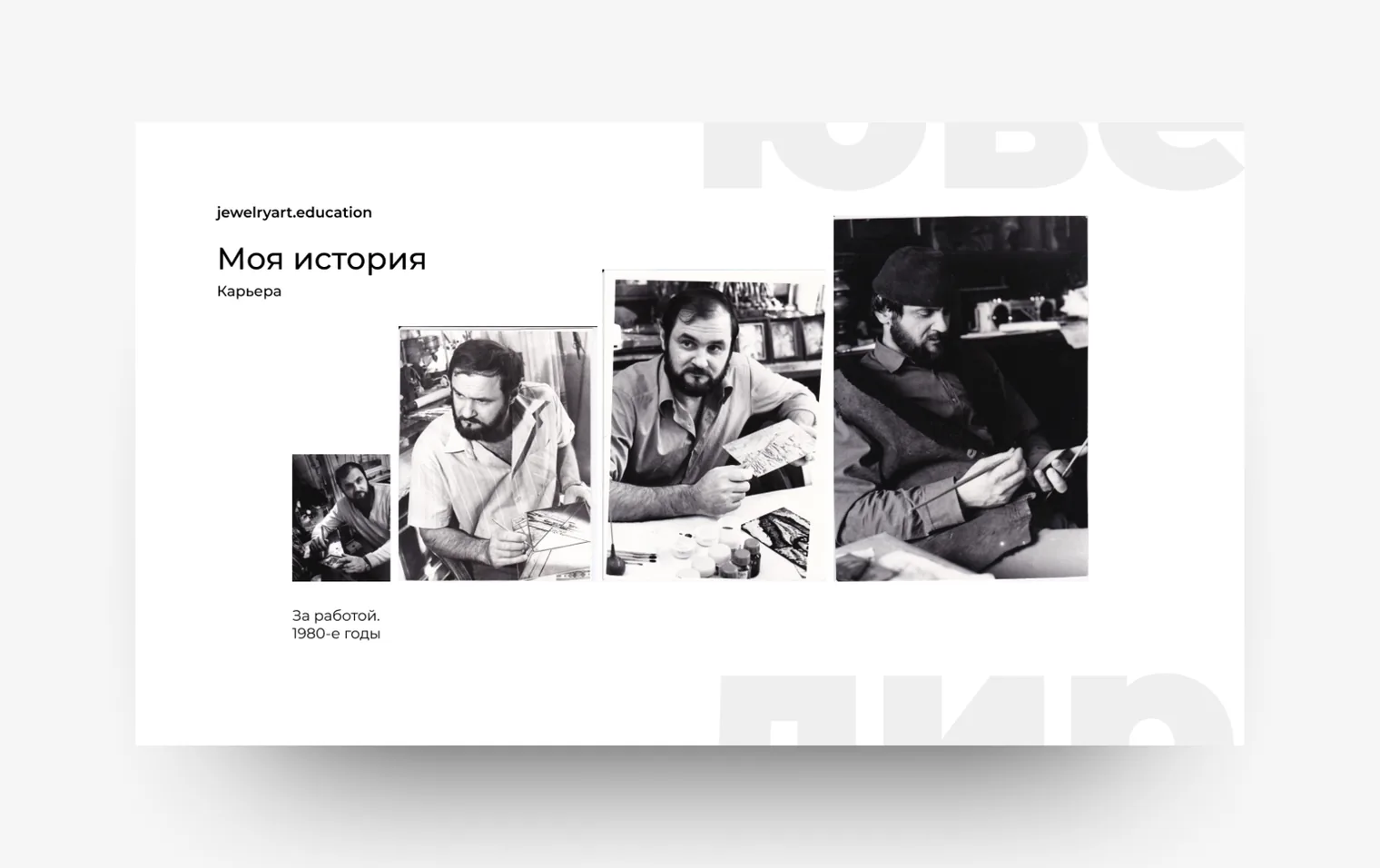
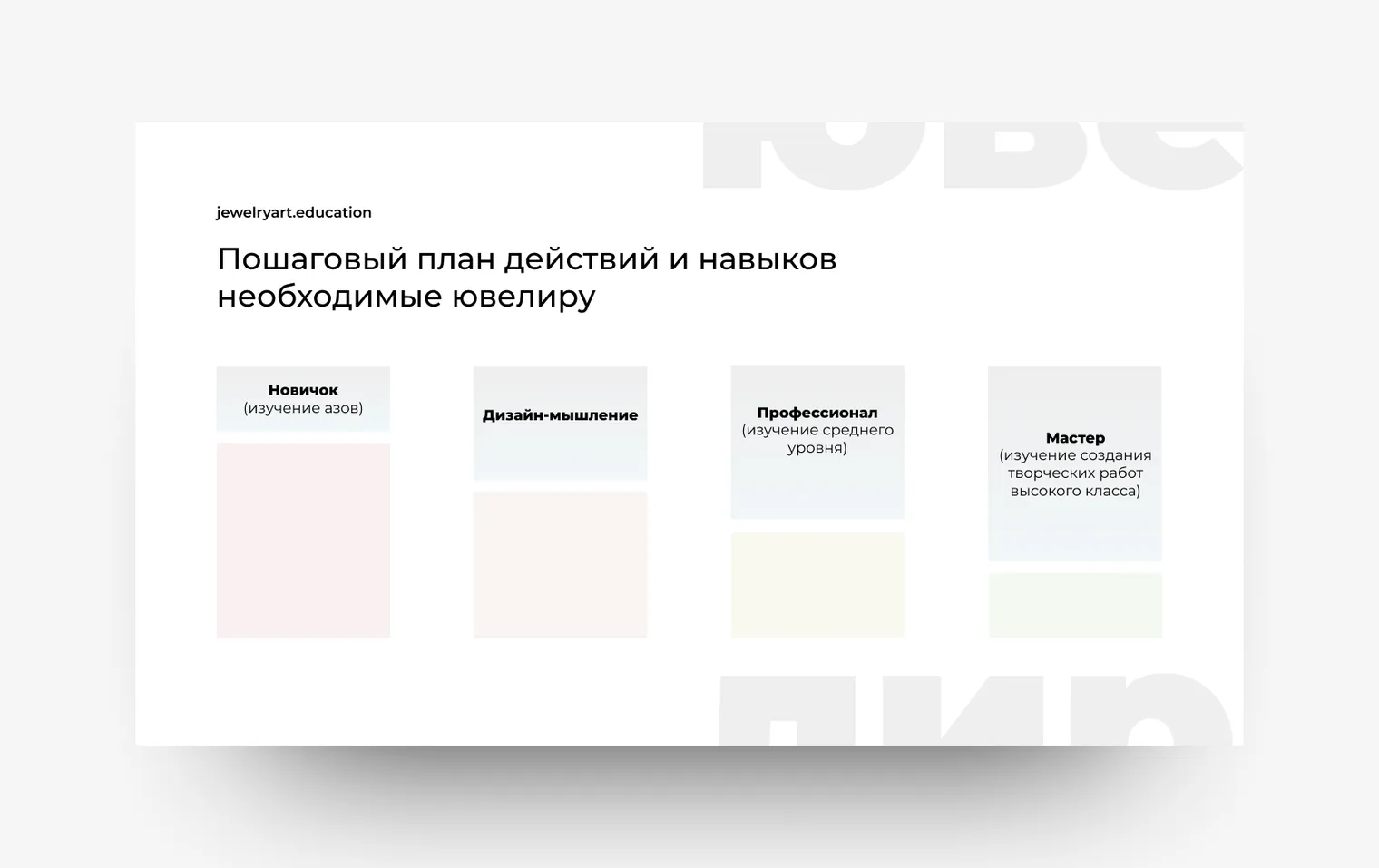
Here is the presentation that came out:
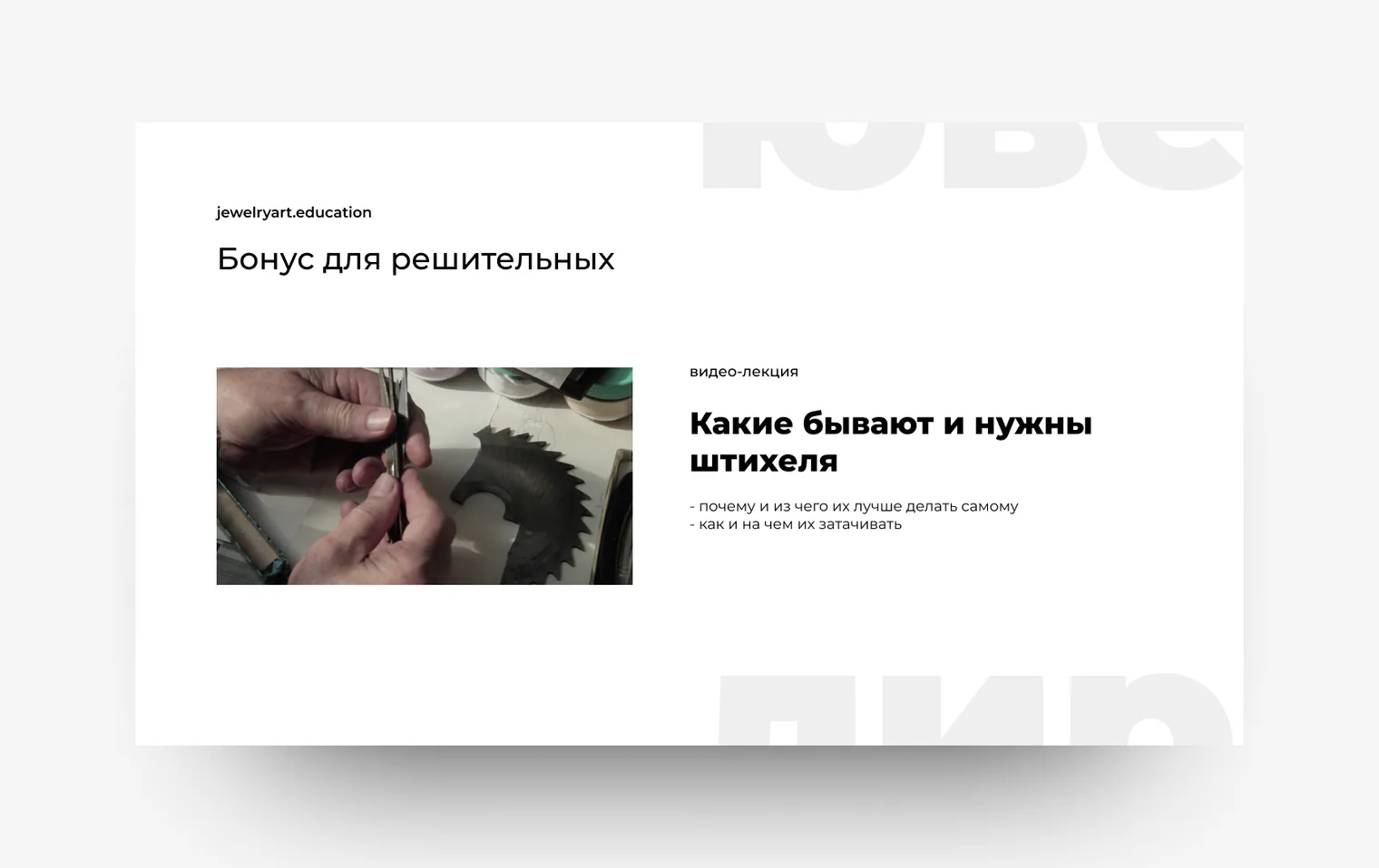
We had a very small budget. 600$ for everything. As you understand, that does not allow hiring contractors. This money was enough only to pay for the services and a little targeted advertising.
So I also play the roles of camera operator and editor, designer and targeting specialist. I already had experience in video and photography, and I learned web design and targeted advertising from courses while preparing our product.
The video with the teacher and this presentation were also filmed in advance.
Next, I got down to building the basic funnel.
I designed the pages for the funnel:
- the lead magnet
- the main product
- the thank-you page
I set up:
- an automatic series of emails
- payment processing
- Facebook Pixel analytics collection
The last stage before selling: targeted advertising
Result: 848 leads at $0.40 for the Jewelry Art Education online masterclass
Goal: getting leads for a free test online masterclass.
Budget: up to $500,
Spent: $342.85
Examples of creatives (advertising banners):
The best video creative, the one that brought the cheapest results:
Well, after such preparation, we were ready to launch.
The failure of the first launch of the online course.
The enrolment for the course did not take place.
By the rules of conversion, out of 800 registrations obtained for the free masterclass from targeted ads, about 100-200 attend the masterclass. That is OK. With us almost 300 came in a couple of days. 40+ people watched to the end. Everyone who answered the survey liked the bonuses.
But by conversion there should have been 12 applications and eventually 6 sales.
And we had 3 applications.
What is the problem?
The problem is that beginners are afraid to take a course when they have no workplace and no tools, which also cost quite a lot.
On the one hand, I did not expect this to be such a problem, because you need equipment everywhere, whatever you do: in photography, an expensive camera; in 3D modelling, a powerful PC.
Later we solved this problem by creating our own media of free articles. We wrote instructions there on choosing the tools to buy and setting up a workplace.
As for the people who had become interested, this particular course did not suit them in terms of the contents of the programme, and they asked for a more advanced course, preferably on the enamel technique.
The turning point
We took a break and, at the beginning of 2020, after discussing the pros and cons of the project, we were thinking of “closing the shop”.
But in March, the Covid-19 lockdown began.
In fact, the pandemic and the start of the lockdown gave a powerful push to the development of @jewelryart.education.
I quickly noticed a trend on the online education market: online schools began to open free courses.
And just 2 days after the start of the lockdown in Ukraine (16 March), on 18 March, the online academy of jewelry art Jewelry Art Education also released a free course, “Jeweler. Start”.
It was made from spare material that had been planned for the paid programme. Those who registered for the free course, of course, left their email and joined our community of jewelers on Telegram.
Now the free mini-course became a lead magnet. And it played this role much better than the initial free lesson, because the mini-course had practical value for the participants.
Also, during the lockdown, aggregator websites (catalogues) of courses were created. They brought quite a lot of free audience to the project. And this audience was eager for the continuation of the course.
The website jewelryart.education gets organic traffic from Google and Yandex every day, thanks to SEO optimization.
I set up the SEO on our website, which is built on Tilda, right away. But the SEO began to work only about a year after the website was launched.
It takes time and website traffic (precisely from the aggregators mentioned above) for search engines to judge that the website is adequate and relevant to the keywords. For example, if you google “онлайн курс ювелир”, first there will be an article with a link to us, and second in the list will be our website itself.
Seeing the demand, in the summer of 2020 we started filming the course. Yes, in advance, and we were right to. Because the filming alone took 6 months, and the editing another 2.5 months. A piece of jewelry is not made in 1 day, and we could only film 1-2 days a week, because besides this project, there is regular work.
Later, thinking about the failed launch, I decided: it is good that it did not sell, otherwise we would not have been able to deliver the course content on time.
I made a video announcement for our subscriber base, which had been warmed up by the free mini-course, the community on Telegram and the posts in the Telegram channel; a bit more targeted advertising also brought additional students.
No applications and no calls. Just automatic payment on the website.
Crisis management
There was a moment when there was a lot of editing and the lessons had to come out every Monday.
I decided to delegate the editing of one lesson, to be sure to meet the deadlines and not to overwork.
I explained to the contractor what I needed and he got to work. A good solution, it seemed.
Yes, a good one! But something can always go wrong. And for such a case I also had a “plan B”.
And what do you think: I did have to use “plan B”. Because the contractor's computer broke a couple of days before the deadline, the data was lost and the work was not done.
My “plan B” was a very simple solution: if this lesson, long in running time, would not be edited the way I needed, I would swap the lessons and give the students that week a shorter lesson, which I could edit very quickly. For them, effectiveness is not lost, and there was no delay in delivering the content.
The student account on the school's own platform (jewelryart.education) today.
Creatives for targeted advertising 2021
Targeted advertising showed an average figure for cold traffic: attracting each client who pays for the course costs 100$. Not cheap, is it?
Yes, so it is much better to launch to warm traffic. That is exactly why the courses of bloggers have a very high margin, which cannot be said of online courses by real professionals in their field.
You must understand that when a targeting specialist says they bring registrations to free webinars at 0.40$-2$ (which is a good figure), the number of places sold for the course no longer depends on the targeting, but on the later stages of the funnel. And the conversion into paying customers is much lower than the conversion of those who registered for the free lead magnet.
Purchases of the course on the website from targeted ads: 3
Price per click: 0.12$
Price per purchase: ~14$
Selling price: 100$
In total, 300$ was spent during the advertising period, and although the price per purchase is 14$, one has to take into account the combinations that did not work and the tests.
Which in the end gives us 100$ per customer who bought our course.
Examples of creatives (advertising banners):
The best video creative, the one that brought purchases.
This creative leads to the free course (lead magnet), after which the client decides to buy the paid course:
Right after the New Year 2021, students from Ukraine, Israel and Russia started studying. (After the start of the war of Russia against Ukraine on 24.02.2022, serving clients from Russia and Belarus was stopped).
On 8 March the first cohort finished.
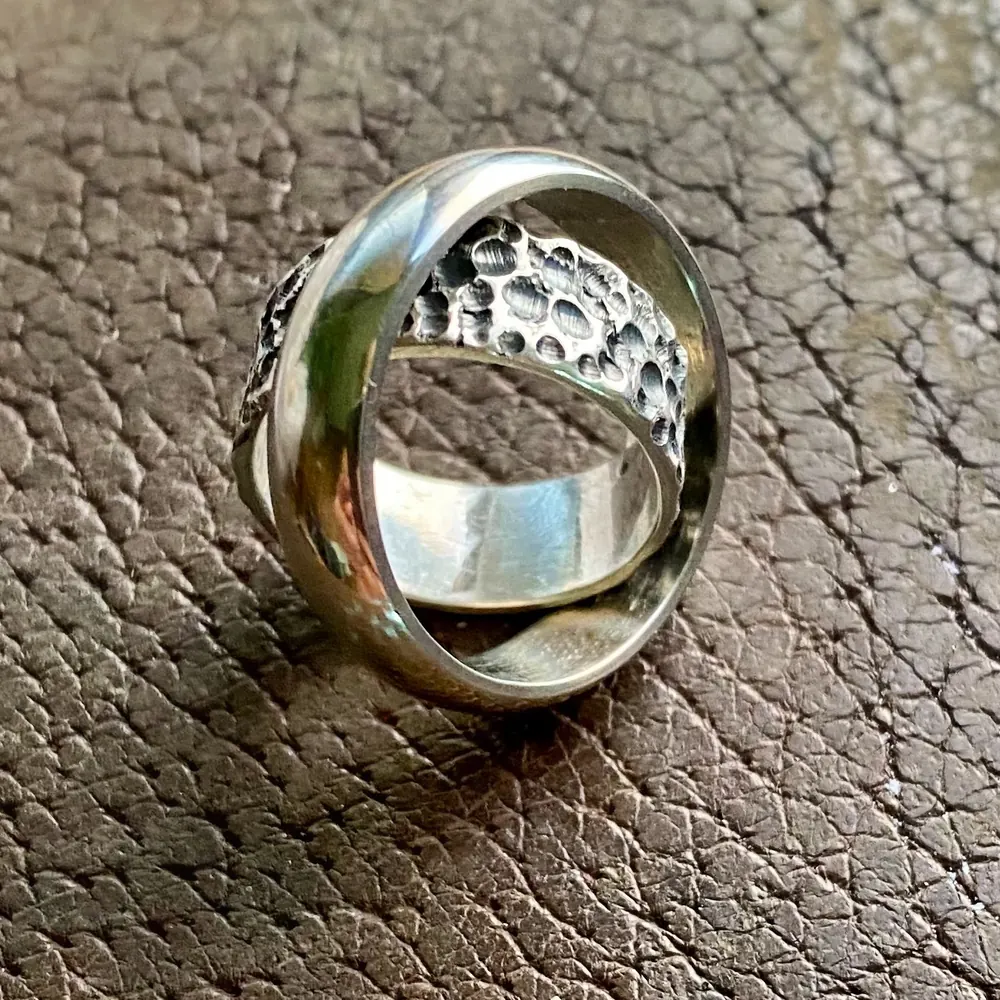
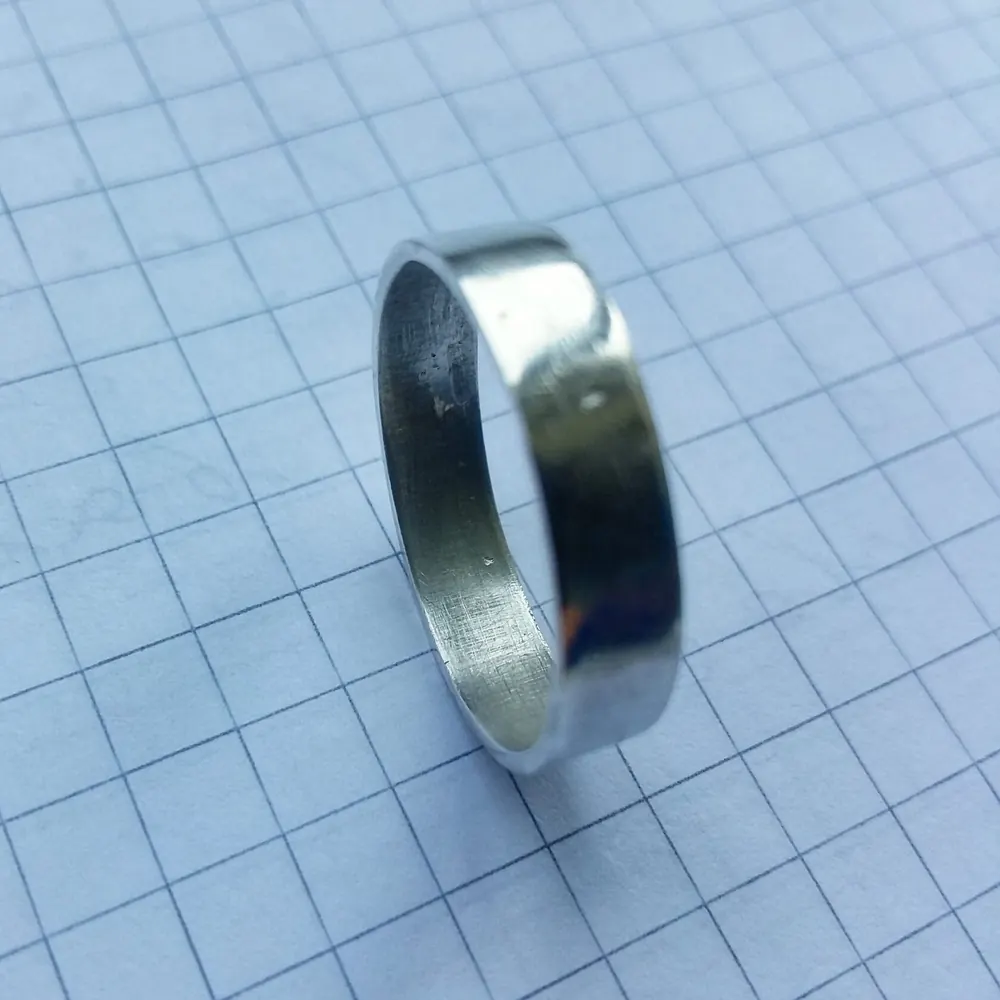
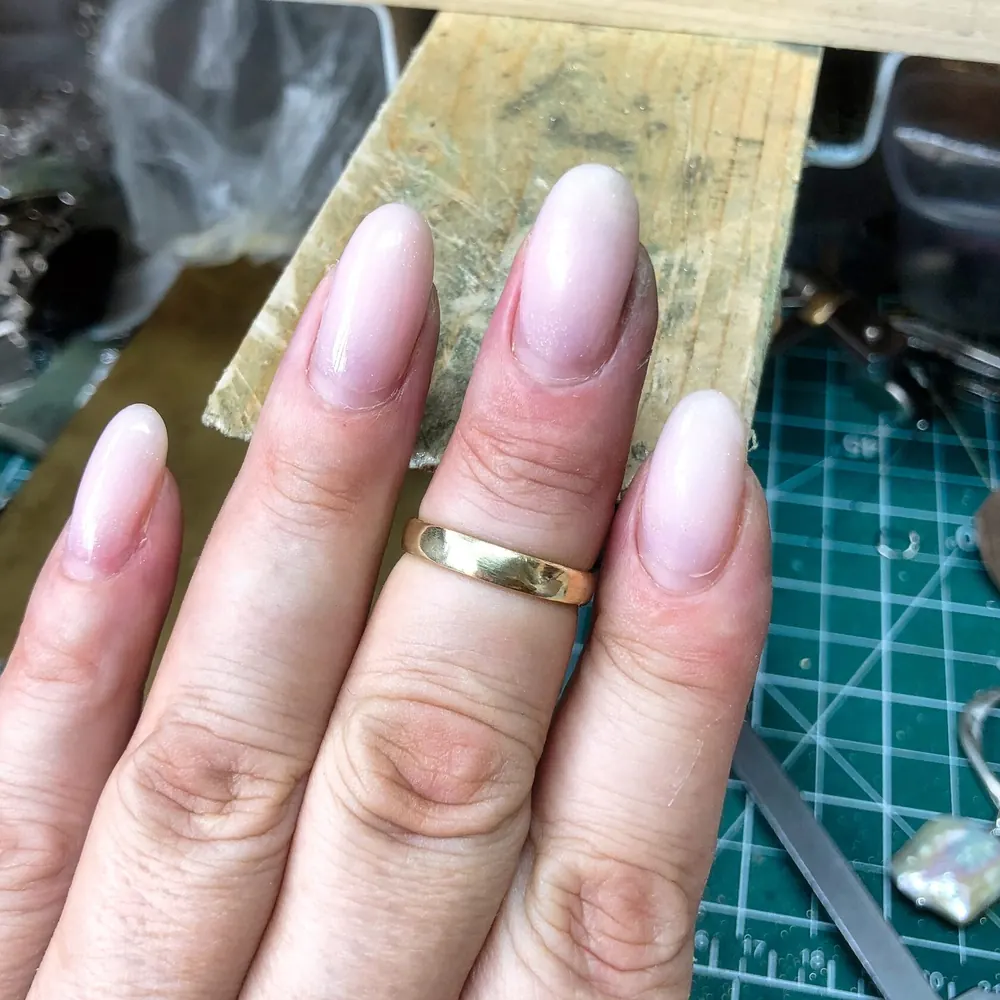
Cohorts 2 and 3. Students' results
Often the success of a producer (a project manager of an educational product) is measured by the number of sales and the money earned. On the one hand this is right, because the task of any business is first of all to make money. But there is another metric: did the student get the needed skill as a result of the course? Does the programme work towards the student's goal?
In educational projects at large volumes the first indicator, the money earned, is achieved very well, but it is far from always possible to keep up the quality of the course, the feedback to students and the students' reaching their goal. This is exactly what people dislike about info-business: when a blogger sells well and does not fulfil the obligations on the quality of the course.
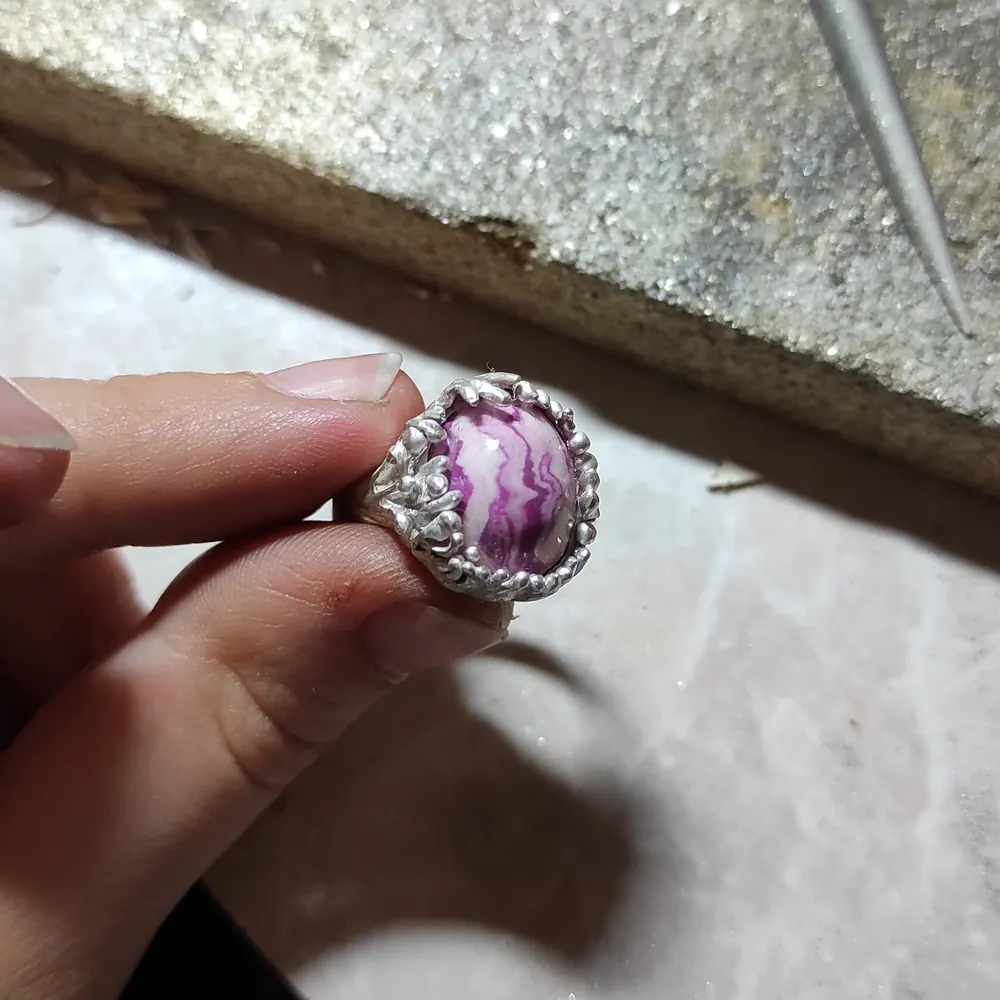
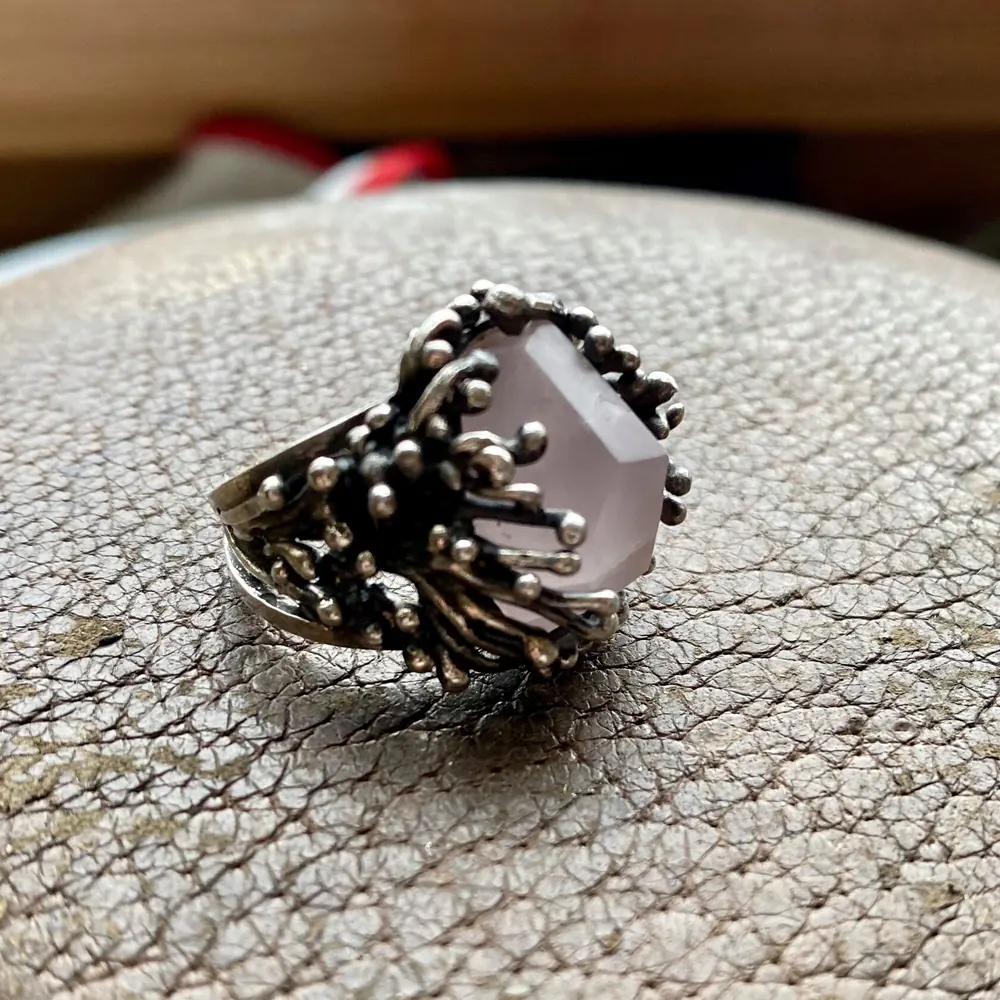
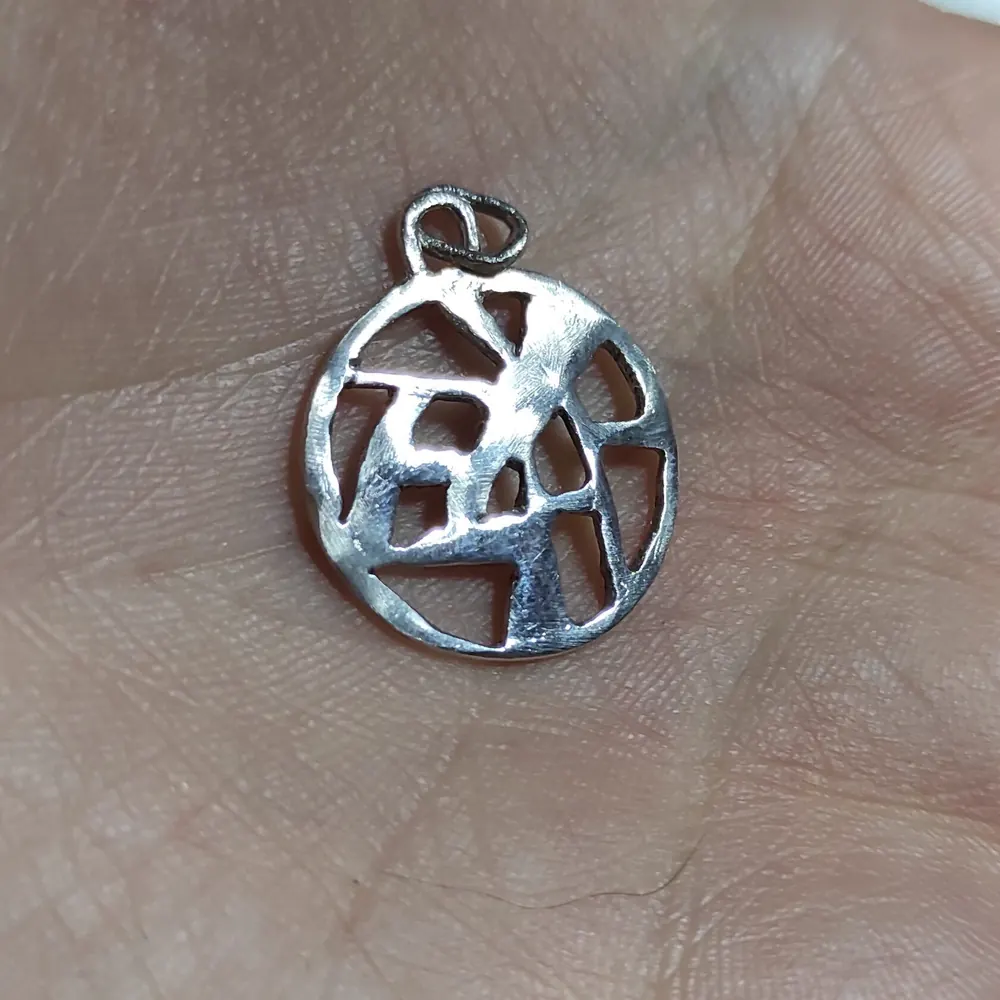
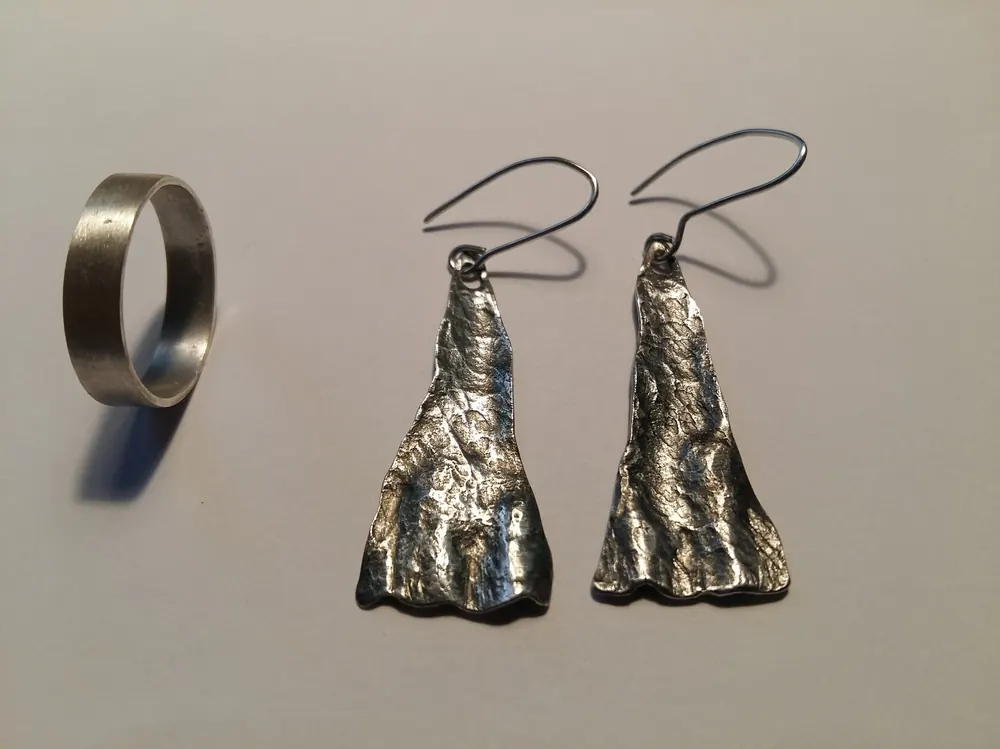
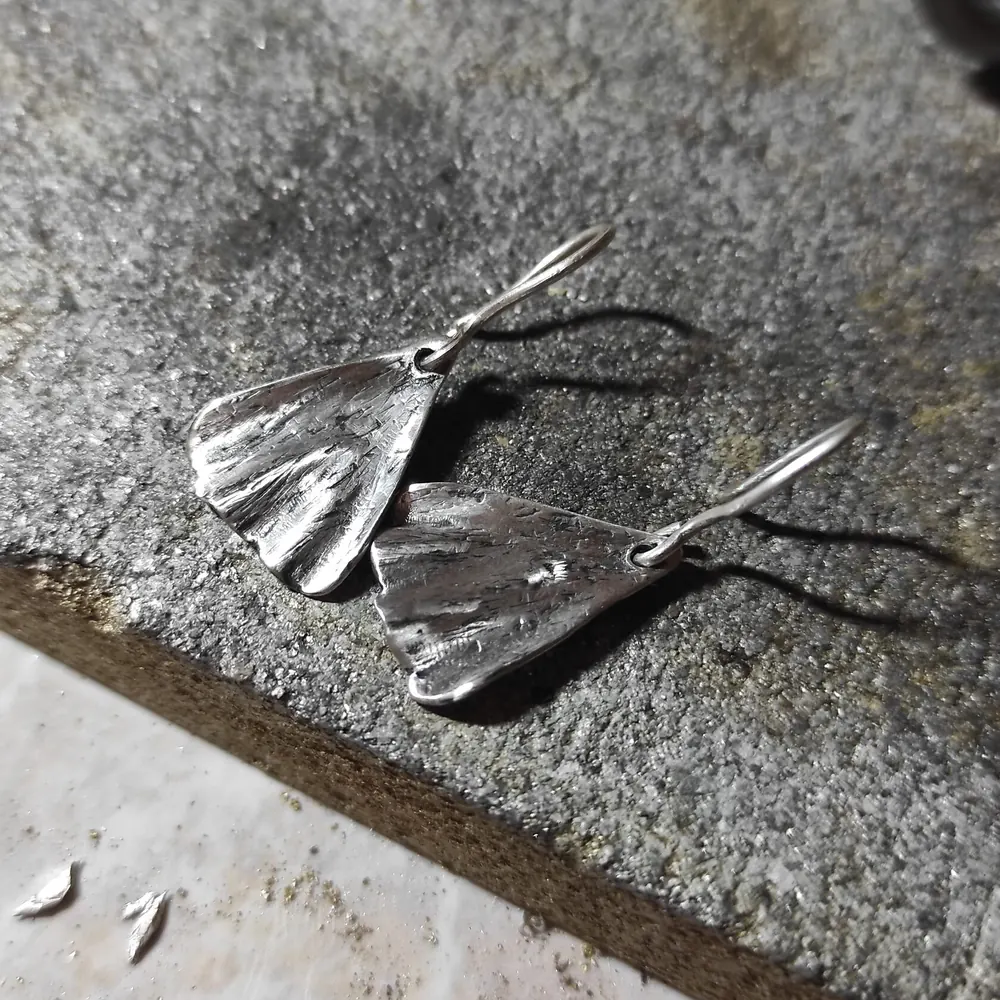
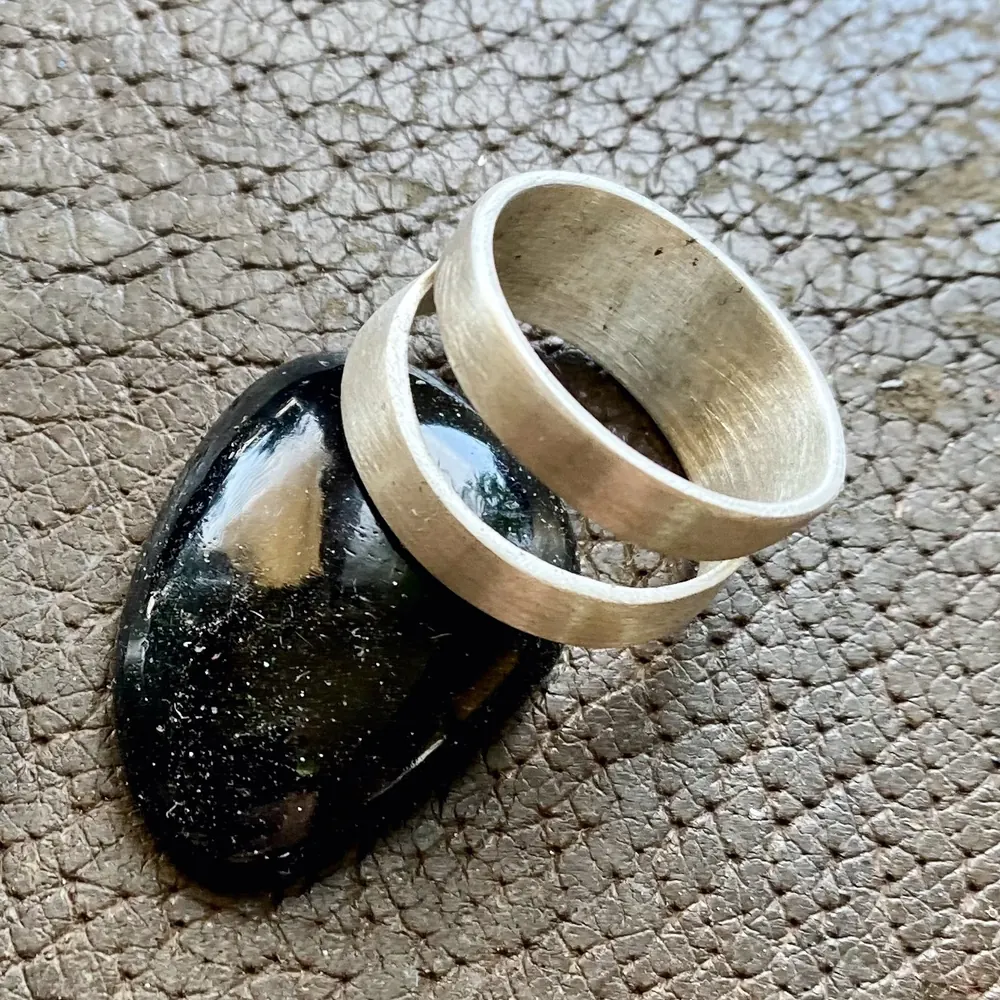
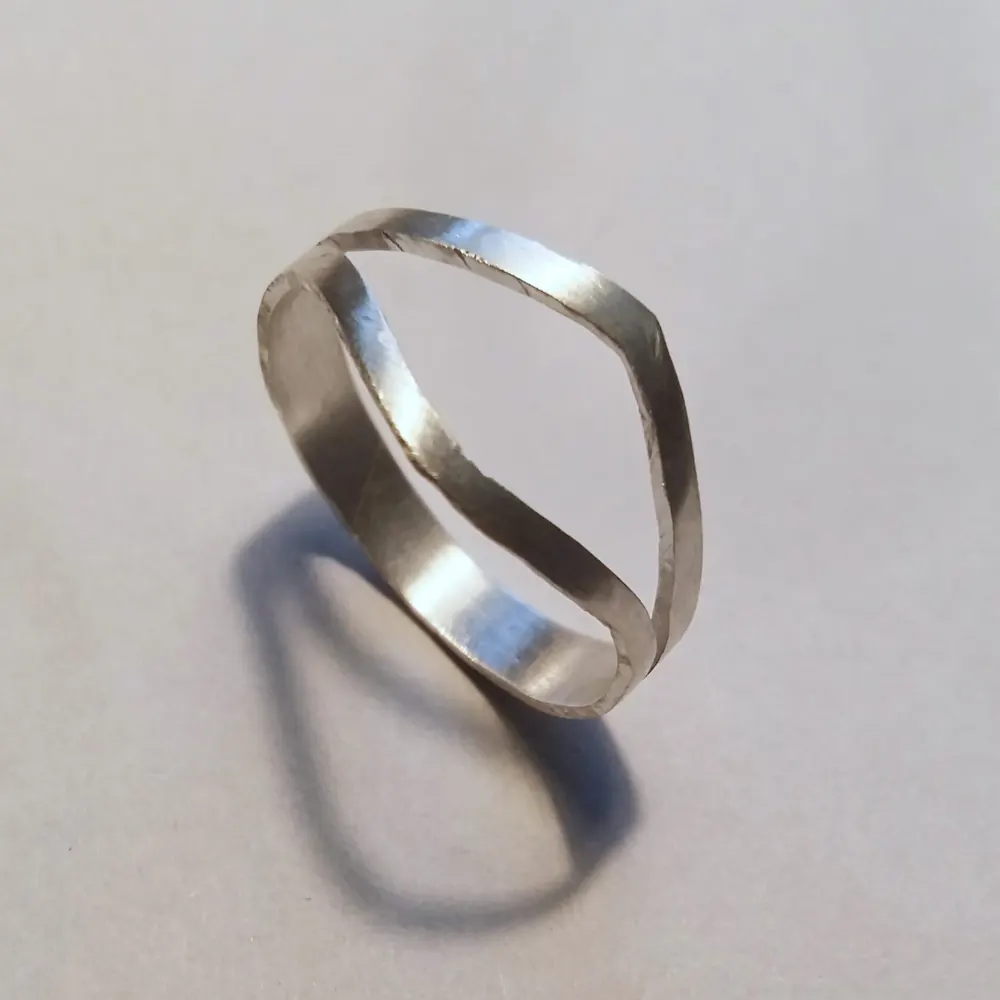
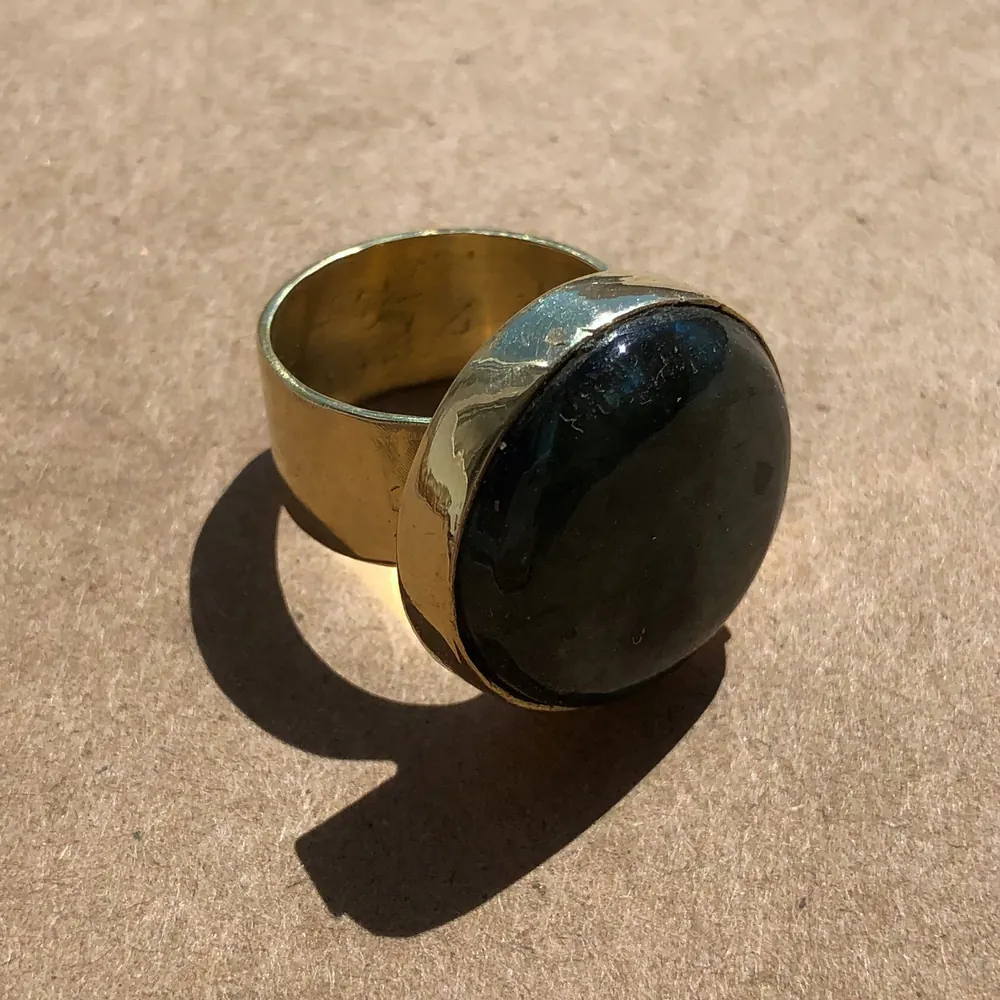
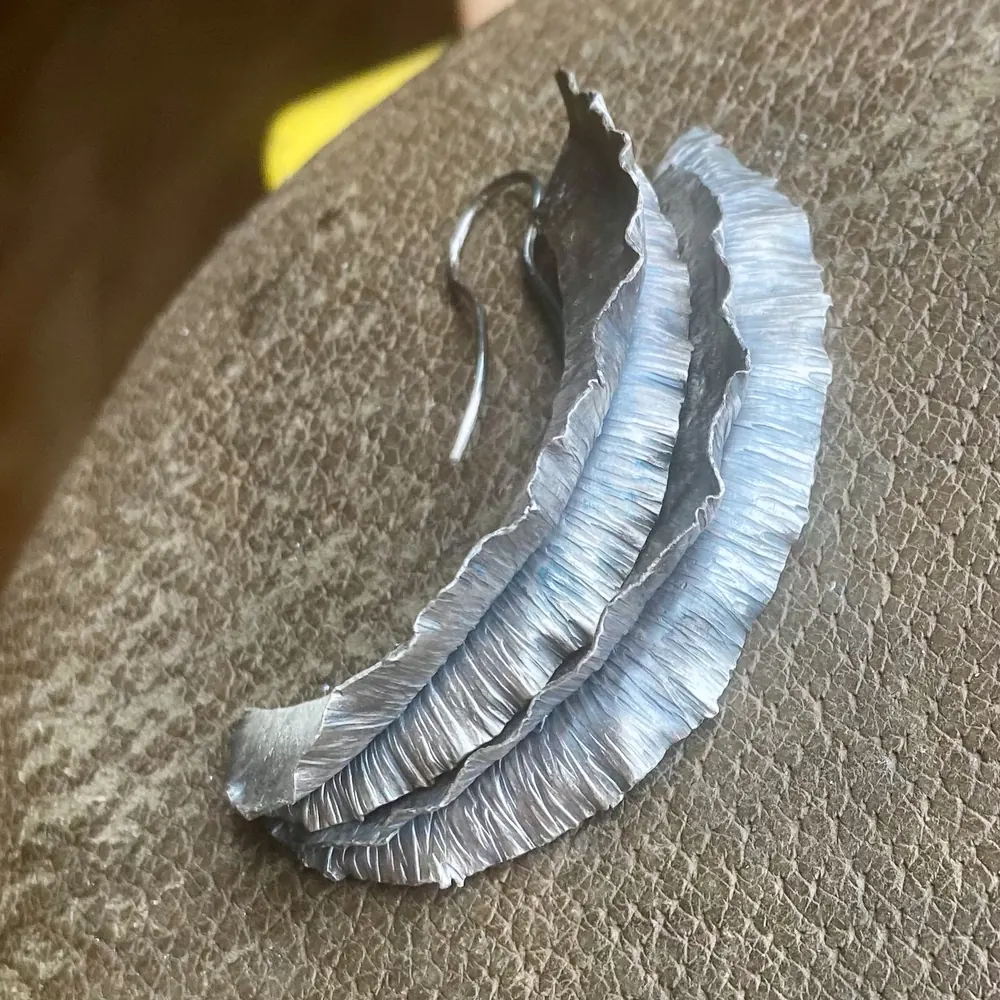
These are the works of the students of our online course, who started entering the profession from scratch and in 10 weeks learned to make jewelry.





What tasks come next
How to scale and get more sales?
There are 3 ways:
- Pour a lot of money into targeted advertising.
- Develop blogging, that is, build an audience for free through organic growth, by creating a large amount of content. In our case YouTube and TikTok are suitable.
- Collaborate with expert bloggers who already have a relevant audience and can become authors of new courses within the jewelry niche.
Experiment. A video that did not take off on TikTok and Reels took off on Facebook
Two very simple and free life hacks worked here:
- Reposting the video in all the thematic groups devoted to the jewelry industry (where the target audience sits).
- Touching their pride). In the video there is the phrase: “even experienced jewelers cannot solve the secret of making the piece”. This provoked 279 comments with attempts to solve it and 60 reposts.
The more comments, the more views the video got. This way we got 9.4 thousand views for free. In the end, nobody solved the riddle.
The statistics of the video on Facebook
YouTube channel
We set a course for developing the YouTube channel.
19,000 views on the most popular video, and maybe more by now.
1,100 subscribers.
The mini-course, which was the free lead magnet, moved to open access, to get more organic views.
Several videos got into YouTube's recommendations and the channel started to grow.
Conclusions from this experience
To come up with a business idea, think about which problem bothers you or the people around you, and how you can solve it.
In producing online schools there is a rule: we do not film the content of an online course until we have sold it. Why?
Because you will spend a pile of time, effort and money on the filming process and the team, and in the end you may not sell the course. That is an irrational use of resources.
That is what we did: we filmed a few spare lessons, but did not film the whole course.
It was the right decision and the wrong one at the same time)
If we had sold the course at the first launch, we would not have been able to deliver it to the students on time, because in this niche creating lessons is a very time-consuming process.
You need to take into account the specifics of the niche, of the expert, and whether there is a team to create the lessons. For some it takes 1 day, for others 1 or even 3 weeks.
That is why for the second launch we filmed all the lessons in advance, edited most of them, and only then sold the course, now with demand for it.
Would you like me to help you launch your future online course without the mistakes described above?
Go to the page of my service of producing, packaging design and promotion of online courses for experts and owners of online schools, and leave a request.